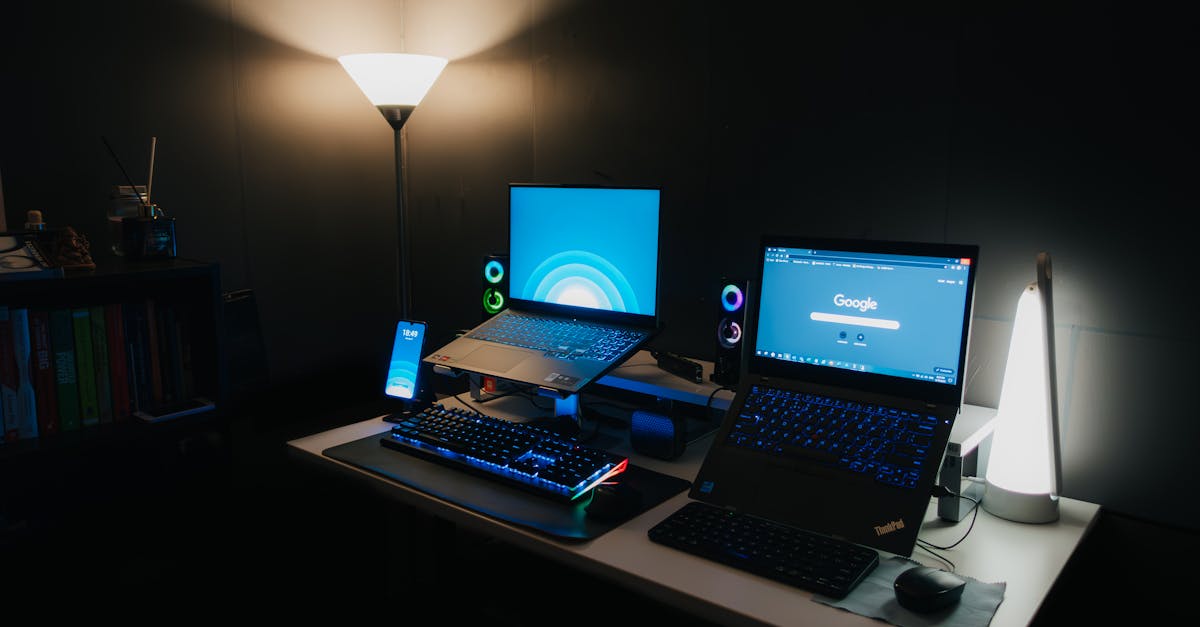
5 Gaming Setup Guide Mistakes You Never Saw?
— 7 min read

The Ultimate Guide to Building a Good Gaming Setup for Filipino Gamers
In 2023, the average Filipino gamer upgraded at least one core component of their rig. A good gaming setup blends powerful hardware, ergonomic design, and a personal touch to deliver smooth performance and comfort. Whether you’re streaming, battling in MOBAs, or exploring open-world epics, the right mix of gear can turn a cramped desk into a battle-ready cockpit.
Core Components of a Good Gaming Setup
I start every build by looking at the three pillars: the PC (or console), the display, and the audio. A solid CPU-GPU combo anchors performance; a 144-Hz monitor guarantees fluid visuals; and quality headphones or speakers immerse you in the world. In my experience, skimping on any one pillar creates bottlenecks that spoil the fun.
For PC-centric gamers, the CPU and GPU are the heart and lungs. A mid-range AMD Ryzen 5 or Intel i5 paired with an NVIDIA RTX 3060 delivers 1080p-1440p excellence for most titles, while a higher-end RTX 4070 unlocks true 4K play without choking frame rates. Console fans can opt for the Xbox Series S as an affordable entry point, or the PS5 for its lightning-fast SSD.
The monitor is where the magic appears. I recommend at least a 24-inch IPS panel with 144 Hz refresh and 1 ms response time - perfect for fast-paced shooters. If you favor RPGs or strategy games, a larger 27-inch 1440p screen offers more real estate without sacrificing speed.
Audio often gets overlooked, but I’ve heard too many teammates complain about “muffled” cues. A pair of closed-back headphones with a detachable mic (like the SteelSeries Arctis 7) provides clear positional sound and a comfortable fit for marathon sessions.
Gaming culture in the Philippines thrives on community, accessibility, and the joy of shared victories.
Putting these pieces together creates what the industry calls "the best gaming setup" - a blend of power, clarity, and immersion. Below you’ll find a quick snapshot of the essential specs for each component.
| Component | Mid-Range Recommendation | Premium Recommendation |
|---|---|---|
| CPU | AMD Ryzen 5 5600X | Intel Core i9-13900K |
| GPU | NVIDIA RTX 3060 | NVIDIA RTX 4090 |
| Monitor | 24" 144 Hz IPS | 27" 1440p 240 Hz |
| Audio | SteelSeries Arctis 7 | Bose QuietComfort 45 |
Key Takeaways
- Invest in a balanced CPU-GPU combo for future-proofing.
- Choose a 144 Hz monitor to eliminate motion blur.
- Quality headphones boost situational awareness.
- Ergonomic chairs prevent fatigue during long sessions.
- Budget builds can still hit high performance with smart part selection.
When you line up these components, the result feels like a well-orchestrated band: each instrument plays its part, and the audience - your eyes, ears, and reflexes - gets the full concert.
Peripheral Essentials and Customization
My next focus is the peripheral ecosystem: keyboard, mouse, controller, and the often-ignored desk layout. The phrase "what does a gaming setup need?" expands beyond the tower; it includes the tactile feel of every click and the angle of your wrist.
Mechanical keyboards dominate the market for their responsiveness and durability. I favor a compact tenkeyless (TKL) layout because it frees up mouse space and reduces desk clutter. Switch choice matters: Cherry MX Red for smooth linear action, or tactile Brown for a subtle bump that aids accuracy.
The mouse is the extension of your hand. A DPI range of 400-3200 covers most genres - low DPI for precise sniping, high DPI for rapid-fire shooters. I gravitate toward the Logitech G502 Lightspeed for its adjustable weight system; you can fine-tune the heft to match your grip style.
Controllers still have a place, especially for fighting games and sports titles. The Xbox Wireless Controller offers low latency and broad compatibility, while the PlayStation DualSense adds haptic feedback that elevates immersion.
- Keyboard: Tenkeyless, mechanical, Cherry MX Brown.
- Mouse: Adjustable DPI, 100-200 g weight range.
- Controller: Xbox Wireless for versatility.
- Desk: Sturdy surface, cable management tray.
Customization isn’t just aesthetic; it improves ergonomics. Adding a wrist rest, cable clips, and a monitor riser can prevent strain and keep your setup tidy. In my own gaming nook, I mounted the monitor on a riser that aligns the screen’s top edge with my eye level, reducing neck fatigue during 4-hour raids.
Ergonomics and Comfort: Playing Without Pain
When I first built my rig, I ignored posture and ended up with sore shoulders after marathon sessions. The lesson? Comfort is the silent hero of any high-performing gaming setup.
A quality chair with lumbar support, adjustable armrests, and a breathable mesh back can make the difference between a 2-hour sprint and a 6-hour marathon. I recommend the Secretlab Titan Evo; its hybrid foam cushions adapt to body shape and keep you cool during intense play.
Lighting may look cool, but harsh glare can strain eyes. I install a bias-lighting strip behind the monitor; the soft ambient glow reduces contrast and eases eye fatigue. Pair it with a blue-light filter on the screen during late-night sessions.
Footrests and leg space matter, too. A simple footrest elevates your knees, promoting better circulation. I also keep a small water bottle within arm’s reach - hydration is essential for focus.
- Chair: Adjustable lumbar, recline function.
- Monitor height: Top of screen at eye level.
- Lighting: Bias lighting + screen filter.
- Footrest: Small platform for leg support.
By treating your body as the most valuable component, you prolong both your health and the lifespan of your hardware. No gamer wants a busted back as the biggest expense of the year.
Budget vs. Premium Builds: Finding the Sweet Spot
When I consulted a friend who wanted the "best gaming setup" on a student budget, the key was to prioritize upgrades that deliver the most performance per peso. The phrase "what setup do i need for gaming" often triggers a cascade of impulse purchases, but smart allocation yields better results.
Start with the GPU. A second-hand GTX 1660 Super can still crush 1080p titles at 60 fps, while a brand-new RTX 3060 offers ray-tracing and DLSS for future-proofing. If cash is tight, allocate funds to a reliable power supply - cheap PSUs cause crashes that waste time.
Next, invest in a good monitor before splurging on RGB cases. Visual fidelity directly impacts gameplay; a 144 Hz panel outshines flashy lighting when you need to spot enemies. I’ve seen students spend thousands on case mods only to discover they were limited by a low-end CPU.
For peripherals, look for sales. Mechanical keyboards often drop 30% during seasonal promos. You can also combine a budget keyboard with a higher-end mouse, because precise aim often outweighs keystroke feel for many gamers.
Premium builds remove compromises: a liquid-cooled CPU, a 4K 240 Hz monitor, a full-size desk with built-in cable management, and a high-end gaming chair. These choices deliver top-tier performance but can cost upwards of ₱150,000. If you have the runway, consider it an investment in both comfort and future upgrade paths.
- Budget focus: GPU + PSU first, monitor next, peripherals later.
- Premium focus: Balanced high-end parts, premium ergonomics, future-proof resolution.
- Smart tip: Re-use a solid case; aesthetic upgrades are optional.
Ultimately, the decision hinges on how many hours you plan to game each week and whether you stream or compete. A well-balanced mid-range build can satisfy most Filipino gamers, while pro-level esports aspirants may need the premium route.
Optimizing Game Performance: Software Tweaks and Maintenance
Hardware is only half the story; software polish determines whether you truly experience a "good gaming setup." In my routine, I spend 15 minutes each week tweaking settings and cleaning up the system.
First, keep drivers current. NVIDIA and AMD release game-ready drivers that can boost FPS by 5-10% on new releases. Pair this with a lightweight Windows 10/11 build - disable unnecessary startup apps, enable Game Mode, and allocate high-performance power plans.
Second, fine-tune in-game graphics. For competitive shooters, lower shadow quality and disable motion blur to reduce input lag. For story-driven titles, crank up texture quality and enable ray-tracing if your GPU supports it.
Third, monitor temperatures. I use HWMonitor to keep CPU under 75 °C and GPU under 80 °C; thermal throttling kills frame rates. If temps climb, clean dust filters, re-apply thermal paste, or add extra case fans.
Lastly, backup your settings. Export your favorite profiles from software like MSI Afterburner (for overclocking) and Discord (for overlay). When you reinstall Windows, you can reload these profiles and jump back into the action without re-configuring everything.
- Update drivers monthly.
- Enable Windows Game Mode.
- Adjust in-game settings per genre.
- Monitor temps, clean dust quarterly.
- Export profiles for quick restores.
With these maintenance habits, your rig stays snappy, your sessions stay uninterrupted, and you get the most out of every peso you spent on the setup.
Q: What is a good gaming setup for a small bedroom?
A: Choose a compact desk, a 24-inch 144 Hz monitor, and a tenkeyless mechanical keyboard to save space. Pair them with a mid-range GPU like the RTX 3060 and a comfortable ergonomic chair that fits the room’s dimensions. Cable management trays keep the area tidy.
Q: How can I improve my gaming performance without spending a lot?
A: Prioritize a solid GPU and power supply, update drivers regularly, and enable Windows Game Mode. Adjust in-game graphics to medium settings, clean dust from the PC quarterly, and use a budget mechanical keyboard with high-quality switches.
Q: Which peripherals matter most for competitive gaming?
A: A high-refresh-rate monitor (144 Hz or higher), a low-latency mouse with adjustable DPI, and a mechanical keyboard with fast actuation (Cherry MX Red or Speed switches) provide the responsiveness needed for esports titles.
Q: Do I need a dedicated gaming chair?
A: While not mandatory, a chair with lumbar support, adjustable armrests, and breathable material reduces fatigue during long sessions. It’s an investment in health that pays off over countless hours of play.
Q: How often should I upgrade my gaming rig?
A: Typically every 3-4 years for major components like GPU and CPU, but you can extend this by updating peripheral accessories and optimizing software settings. Watch game release cycles; if a new title demands higher specs, consider targeted upgrades.