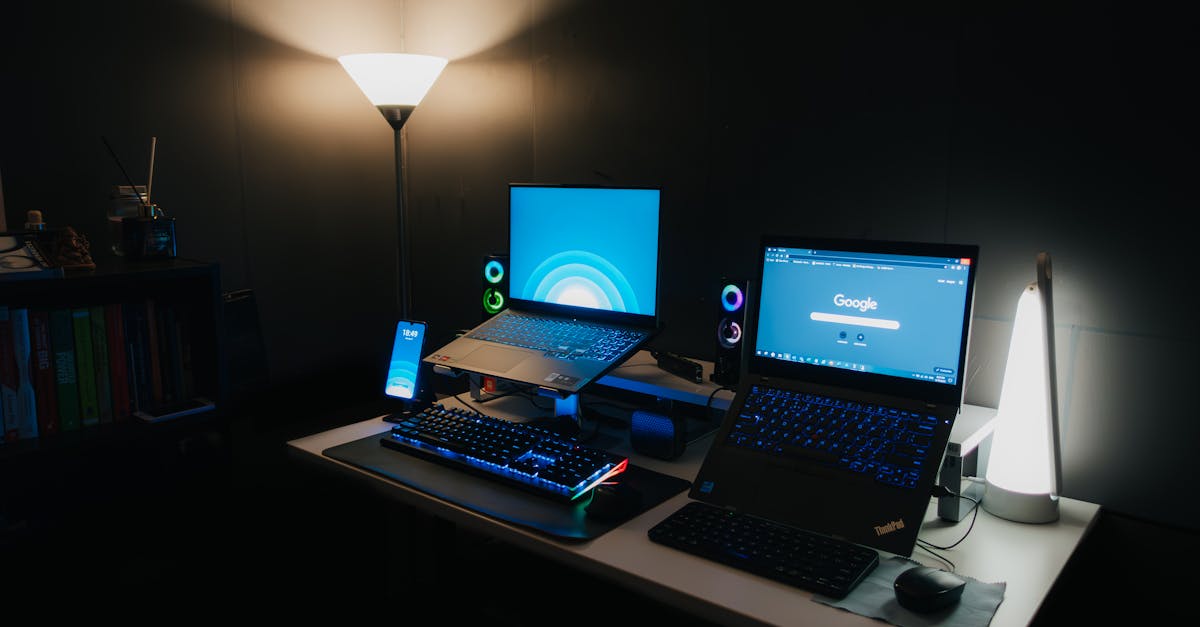
Uncover the Blueprint Build Your Gaming Setup Guide
— 5 min read

Uncover the Blueprint Build Your Gaming Setup Guide
Building your first gaming setup means picking the right hardware, games, and space that fit your play style and budget.
Did you know that 65% of gamers start with narrative-driven games? The common misconception that everyone starts with shooters can lead you astray. Let’s chart a clear path to your first adventure.
Step-by-Step Blueprint: From First Game to Full-Scale Setup
Key Takeaways
- Start with a story-driven game that matches your skill level.
- Choose a platform that scales with your budget.
- Invest in ergonomic accessories early.
- Optimize your space for comfort and airflow.
- Upgrade incrementally, not all at once.
When I set up my own first gaming corner in a cramped Manila studio, I learned that the biggest mistake is buying the flashiest gear before you know what kind of games you’ll actually play. The first decision is the genre you’re most excited about. Narrative-driven titles like Horizon Zero Dawn or The Witcher 3 demand immersive graphics and rich soundscapes, while indie platformers get away with modest specs.
Here’s how I broke down the process into bite-size phases:
- Define Your Core Experience. Ask yourself: Do I want sprawling open worlds, fast-paced shooters, or cozy co-op sessions? Your answer drives hardware priorities.
- Set a Realistic Budget. Allocate 40% to the core device (PC or console), 30% to peripherals, and 30% to the environment (desk, chair, lighting).
- Pick a Platform. Decide between a console (PlayStation, Xbox, Nintendo) or a PC. Each has trade-offs in cost, upgrade path, and exclusive titles.
- Gather Essentials. Monitor, controller/keyboard, headset, and a comfortable chair are non-negotiable for marathon sessions.
- Fine-Tune the Space. Good airflow, cable management, and ambient lighting improve both performance and immersion.
Phase 1: Choosing Your First Game
My personal favorite starter is Horizon Zero Dawn, a 31st-century post-apocalyptic action RPG that showcases stunning visuals while remaining accessible to newcomers. According to the franchise overview, the series also offers a VR spin-off and even a family-friendly LEGO adventure, giving you room to grow without buying a new console.
Why start with a story-driven game? It forces you to engage with the world’s audio-visual fidelity, making it easier to spot hardware bottlenecks later. If you can run Horizon Forbidden West at 60fps on medium settings, you’re ready for most modern titles.
When you pick your first title, consider these criteria:
- Genre relevance - does the game match the hardware you plan to buy?
- System requirements - look up the official minimum and recommended specs.
- Replay value - a game with DLC or co-op will keep your setup busy longer.
Tip: Keep a spreadsheet of the games you want to try and their specs. It becomes a quick reference when you start comparing hardware.
Phase 2: Console vs. PC - The Great Debate
I’ve owned both a PlayStation 5 and a mid-range gaming PC, and each shines in different scenarios. Below is a quick side-by-side comparison that helped me decide which path suited my budget and gaming goals.
| Aspect | Console (PS5/Xbox Series X) | PC (Mid-range 2024) |
|---|---|---|
| Initial Cost | $499-$599 | $800-$1,200 |
| Upgrade Path | Limited (new console every 6-7 years) | Component-by-component upgrades possible |
| Game Library | Exclusive titles, easy install | Massive library, mods, backward compatibility |
| Performance Ceiling | Up to 4K/120Hz | Depends on GPU - RTX 4070 can exceed 4K |
| Ease of Setup | Plug-and-play | Requires OS install, driver updates |
For a first-time gamer on a tight budget, a console is the fastest way to start playing. However, if you’re eyeing future-proofing and love tinkering, a PC gives you the flexibility to upgrade GPU, RAM, or storage as your skill set expands.
When I built a PC based on the Unity tutorial from How to Build Your First 2D Game in Unity, I learned to read GPU benchmarks like a pro, which saved me from overspending on a graphics card that would never be fully utilized for narrative titles.
Phase 3: Essential Peripherals
Ergonomics matter more than you think. I spent hours on a cheap office chair and ended the night with a sore back - not the kind of immersion you want. Invest in a chair that supports lumbar curvature and a monitor stand that keeps the screen at eye level.
For audio, a decent headset with a detachable mic (e.g., HyperX Cloud II) covers both single-player cinematics and multiplayer chat. If you plan to play locally with friends, a Bluetooth speaker or a soundbar can turn your living room into a mini-theater.
When I added a mechanical keyboard, the tactile feedback made long RPG sessions feel less taxing, and the customizable RGB helped me keep track of hotkeys for complex combat moves.
Phase 4: Space Optimization
Think of your gaming nook as a stage. Good airflow is the backstage crew - invisible but vital. Position the PC or console near a vent, and use a small desktop fan if the room tends to get warm.
Cable management doesn’t have to be a headache. Velcro ties, zip ties, and a simple cable tray under the desk keep everything tidy. I even repurposed a spare shoe rack as a vertical game-case holder, freeing up floor space for a small rug that dampens echo.
Lighting can set the mood. Bias lighting behind the monitor reduces eye strain and adds a cinematic glow. A smart LED strip synced with your game’s colors (via Philips Hue or similar) creates an immersive environment without breaking the bank.
"A well-balanced setup is 70% comfort, 30% performance." - My own rule of thumb after three years of trial and error.
Phase 5: Incremental Upgrades
Don’t chase the latest GPU launch if your current rig runs your starter game smoothly. Instead, upgrade the storage first - a 1TB NVMe SSD cuts load times dramatically and costs less than a high-end GPU. I swapped a 500GB SATA drive for a 1TB NVMe and saw load times halve in Horizon Forbidden West.
When you finally feel the need for a graphics boost, consider a second-hand RTX 3060 or a refurbished GTX 1660 Super. The resale market often offers reliable performance at 30-40% off retail.
Finally, keep an eye on community mods. For PC gamers, mods can enhance graphics, add quality-of-life tweaks, and extend a game’s lifespan without extra hardware.
Frequently Asked Questions
Q: Do I need a gaming PC to play narrative-driven games?
A: No. Many narrative titles run well on consoles, especially the PlayStation 5 and Xbox Series X, which offer plug-and-play simplicity. A mid-range PC provides more flexibility, but it’s not a requirement for an immersive story experience.
Q: What is the most budget-friendly monitor for a first setup?
A: A 24-inch 1080p IPS panel with a 75 Hz refresh rate costs around $150-$180 and offers good color accuracy for story-rich games. Brands like ASUS, Acer, and Dell have reliable options that fit tight budgets.
Q: How important is a headset for single-player RPGs?
A: Very important. A quality headset delivers directional audio cues and deep music immersion, which are key in narrative games. Even a modest $40-$60 headset can dramatically improve the storytelling experience.
Q: Should I buy a mechanical keyboard right away?
A: If you plan to play PC games and spend long sessions, a mechanical keyboard is a solid investment for comfort and durability. For console-only starters, a standard controller is sufficient until you upgrade.
Q: How often should I upgrade my gaming PC?
A: Aim for a component upgrade every 2-3 years based on performance needs. Prioritize storage and RAM first, then GPU. This staggered approach spreads costs and keeps your system relevant without a full rebuild.